Why Do Countertops Crack or Pull Away From the Wall
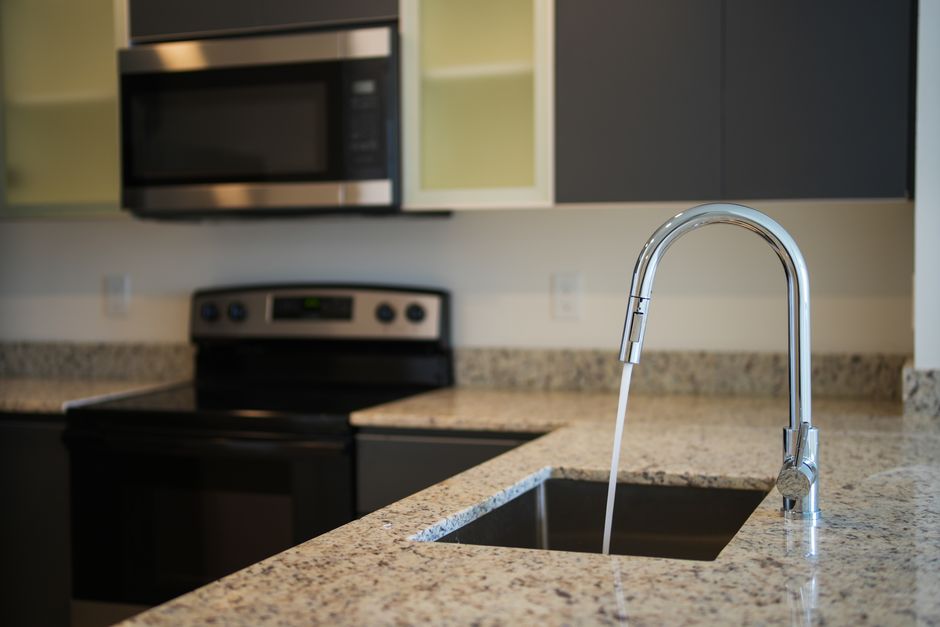
A hairline in a granite top and a hairline in a pencil sketch look equally harmless, but only one of them is telling you the house is moving. The repair notes at countertops little rock favorite goods los angeles read the same way as a bench log, and compared with the usual advice, they start under the cabinets instead of on the surface. Most countertop failures in Little Rock, AR trace back to the ground and the framing, not the stone.
Clay that will not sit still
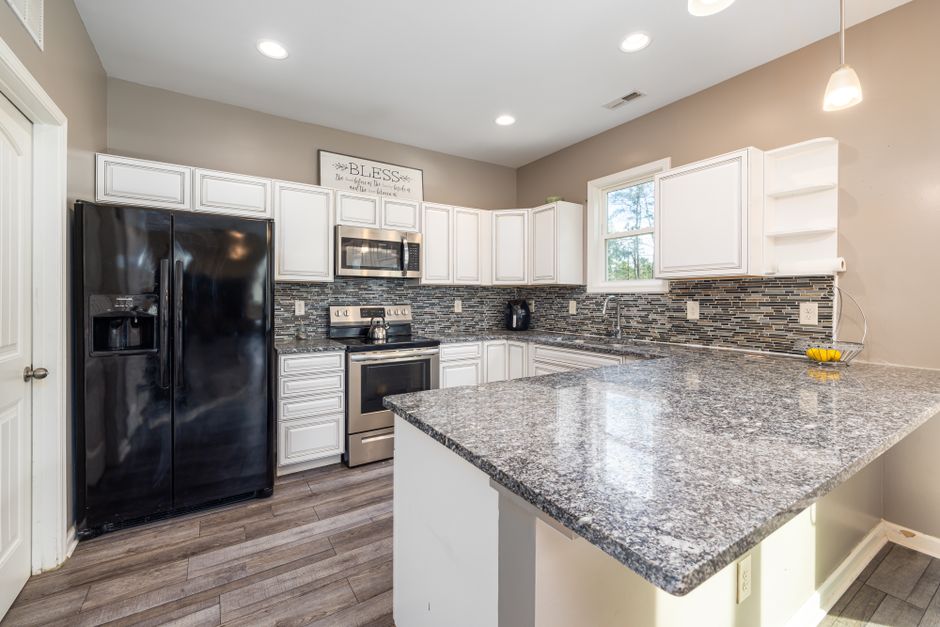
Clay soils common in central Arkansas swell when wet and shrink when dry. That cycle can shift a foundation, and the cabinets above it shift with it. A run of base cabinets that was level at install can end up a quarter inch out of plane after a wet spring and a dry August. Pulaski County yards show this in sticking doors long before a slab cracks.
Where rigid stone gives up
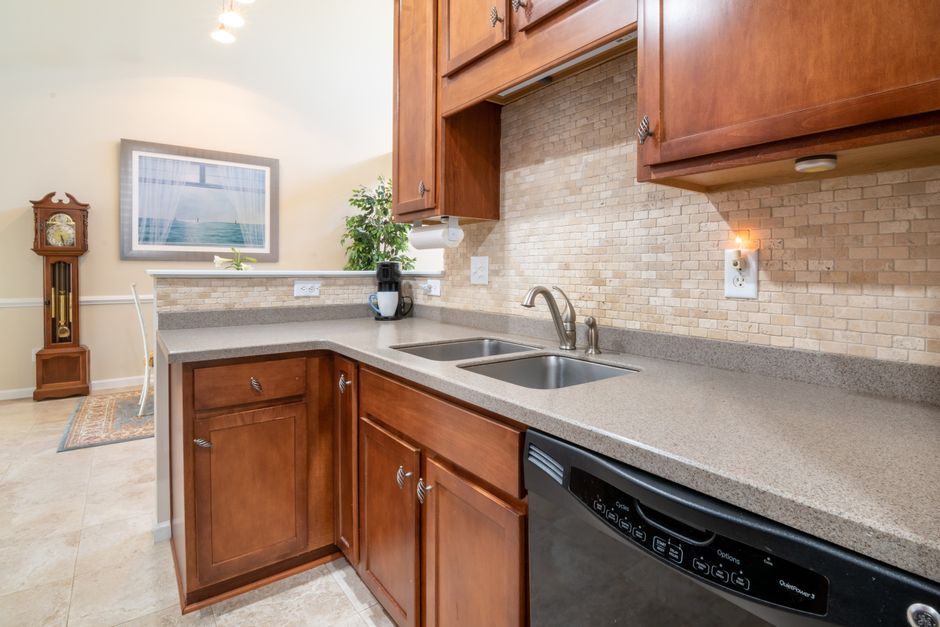
When cabinets move, stone has no flex. Quartz, granite, quartzite and marble all behave this way. Stress concentrates at weak points, mainly sink cutouts and narrow sections beside a cooktop or window. A thin strip of slab only a few inches wide has very little to spread the load. A hairline crack there does not prove the slab was defective. It often shows the cabinet below moved.
Cutout corners
Inside corners of a cutout are a common crack point. A sharp corner gathers stress, so fabricators round those corners rather than leave them square. When templating, the radius matters as much as the dimensions. A cutout with tight corners can crack from ordinary settling, even with good support underneath.
Seams, gaps and overhangs
Seam failures come from poor support beneath the seam, or from cabinets moving after install. Good seam placement keeps joints away from the sink and the dishwasher span. A gap opening between the top and the backsplash or wall often reflects movement. Fill it with flexible caulk, not rigid grout, which will just crack again. Caulk will not fix a foundation problem. It only lets the joint move without breaking. Unsupported overhang is another weak point. A seat at an island with no bracket can crack if someone sits or leans on it. Thicker stone is not immune to that.
Laminate and water
Laminate fails differently. Edges bubble or lift when water soaks the particleboard core along a failed seam or around the sink. Once the core swells, it does not go back. Sealing the seam and the cutout edge at install, and wiping standing water, slows that down. Solid surface and butcher block each have their own problems, but the pattern holds: find the movement or the moisture first, then decide whether the top can be reset or has to be replaced.