How Can I Tell If a Countertop Was Installed Well

Walk the finished kitchen with a four-foot level, a flashlight and a clear head before the last payment goes out. Countertops in Little Rock, AR get judged on the details that show after the crew leaves, and the notes at countertops little rock favorite goods los angeles start with those checks, in the order a tradesperson would run them. A good job reads level, closes tight at the seams and looks the same at the far end as it does at the near end.
Check the surface first
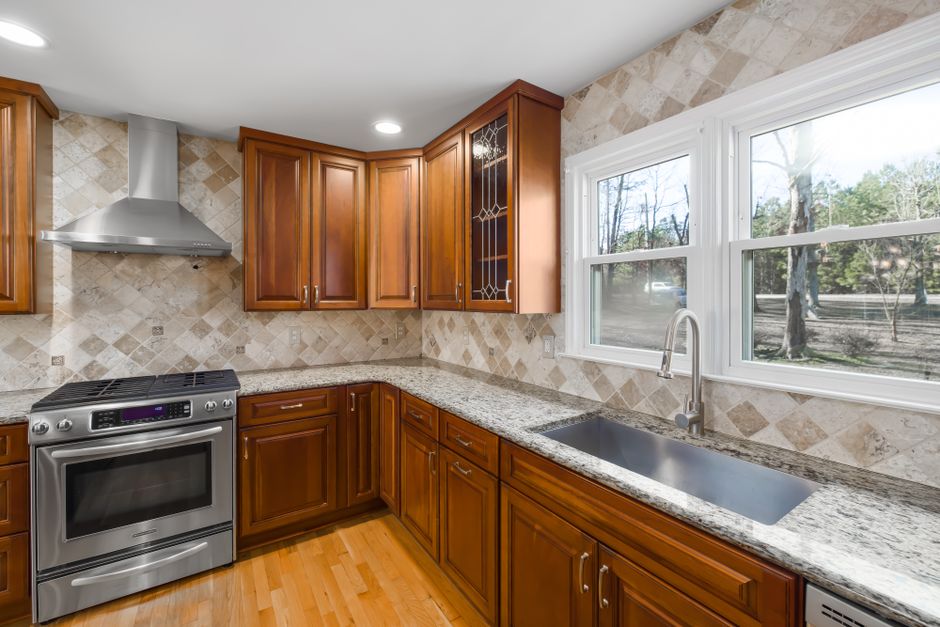
Set the level on the top in several places, along the run and across the depth. A sound install reads level, or follows the cabinet line where the floor demanded it. Press down at each corner and at the end of any overhang. A top that rocks or clicks has shims in the wrong spot or a cabinet box that was never leveled. Granite and quartz are heavy, so a weak spot shows quickly.
Look hard at every seam
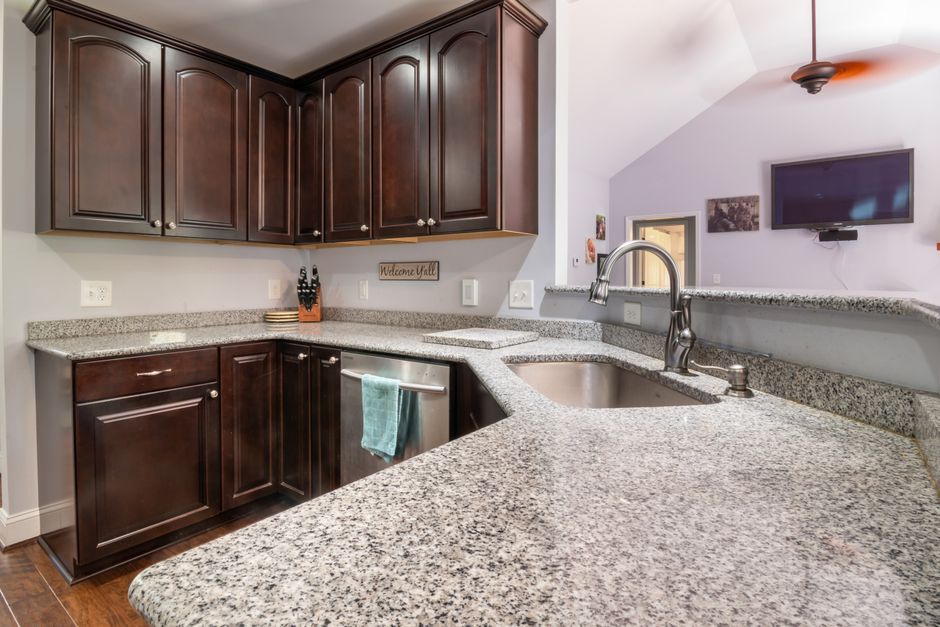
Run a fingernail across each seam. It should be tight and flush, with no lip to catch on. A visible gap filled with a mismatched epoxy or resin is a sign of rushed work. Seam placement matters as much as seam quality. Seams belong away from the sink and the cooktop where the layout allows, since those areas carry more stress. Some layouts leave no choice, and a slab that is too short for a long run will force a joint somewhere.
Judge the edges and the sink cutout
Sight along the edge profile from one end to the other. An eased edge, a bullnose or a waterfall edge should keep the same shape and the same polish along its whole length, with no chips. At the sink, check the reveal. It should be even all the way around the bowl, whether the sink is undermounted or dropped in. A reveal that wanders usually means the template was off or the cutout was rushed during templating.
Walls, caulk and pattern
Gaps at the wall should be small and caulked neatly, with the caulk matched to the surface color. Old walls are rarely straight, so a gap that follows a bowed wall is not automatically a fault. Scribing a stone to the wall helps, but it has limits. On natural stone such as marble or quartzite, the pattern should flow logically across a seam where the layout allowed for it. Perfect matching is not always possible, because veining shifts from one part of a slab to the next. Ask to see the slab, or a remnant if the job is small, before cutting starts.
Ask about care before you sign off
Request care and sealing instructions written for the material actually installed. Granite and soapstone, quartz, laminate and butcher block each want different cleaners and different habits. A fabricator who has done this work will hand over those instructions without hesitation, and will say plainly what the surface should never see, from hot pans to harsh solvents.