Which Countertop Materials Hold Up Best in a Humid Climate
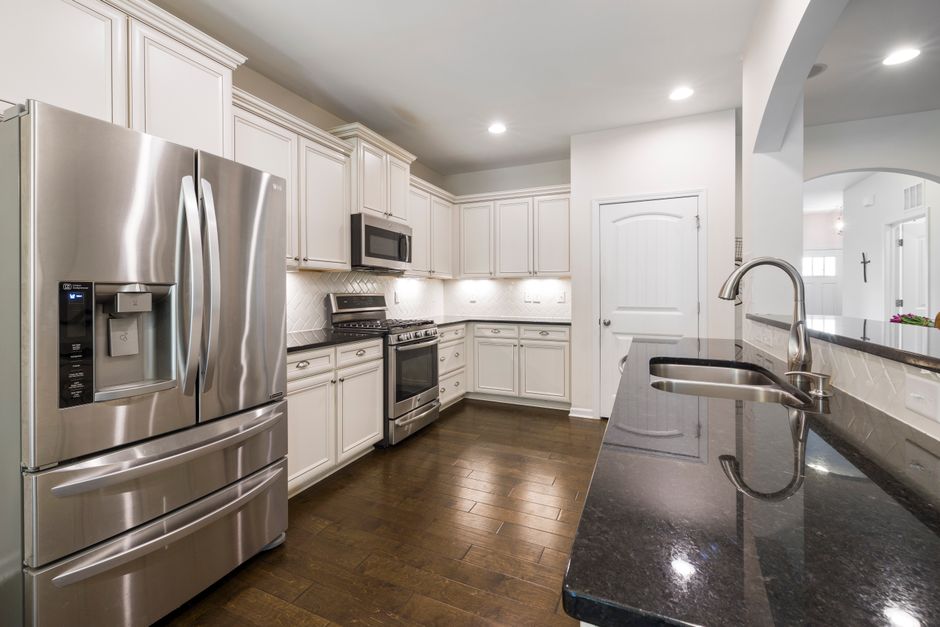
Three centimeters of slab is a little over an inch of stone, and what that stone does in a Little Rock, AR kitchen depends on the material more than the thickness. The notes below follow the work booked through countertops little rock favorite goods los angeles, and they start with how each surface behaves once the countertops are installed and used daily.
Granite and the sealer
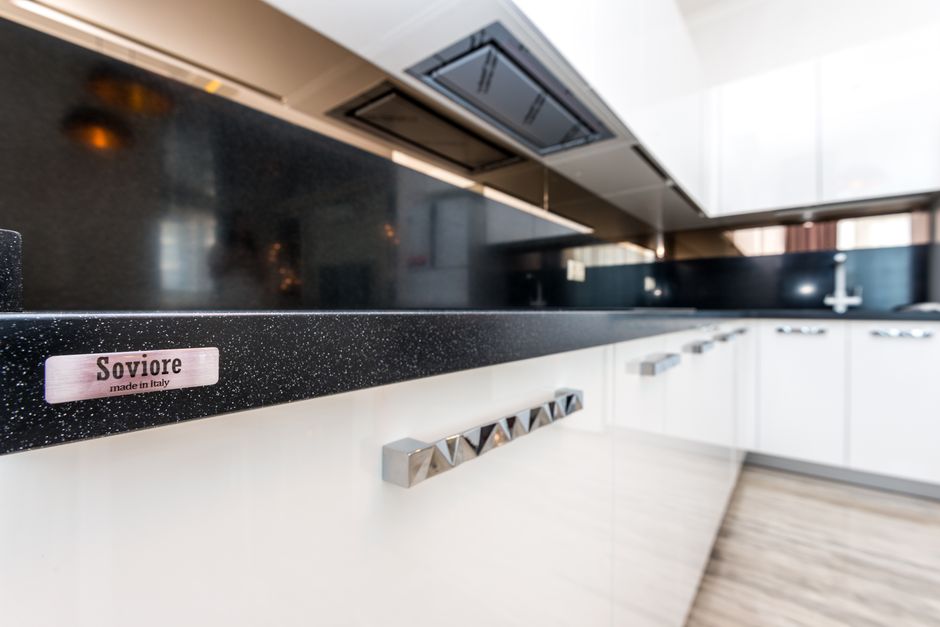
Granite is natural igneous stone, so it does not swell when humidity climbs in a Pulaski County summer. Its pores can still take in oil and juice if the surface is left unsealed. A drop of water that darkens the stone and lingers means the sealer has worn thin. Sealer slows staining, but it does not make a stain impossible, so spills still get wiped up.
Engineered quartz and heat
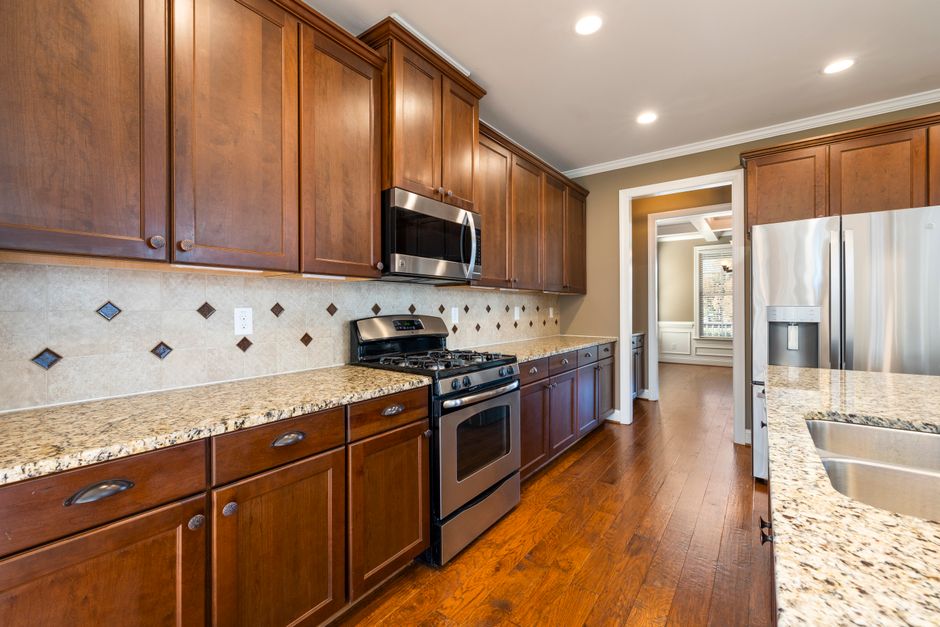
Engineered quartz is crushed quartz bound with polymer resin. The resin leaves it nonporous, so there is no sealing step. That same resin is the weak point. A pan straight off a burner can scorch or discolor it, and the mark does not come out. A trivet under every hot pot is the working rule. Quartz is not heatproof, and a slab that has browned stays browned.
Laminate and the core
Laminate is a thin decorative layer bonded to a particleboard or fiberboard core. The face handles a wet sponge fine. The core does not. Water that reaches it at a seam or at the sink cutout makes it swell, and the edge lifts. Sealing the cutout edges with caulk during installation is cheap, and skipping it is how a swollen sink rim happens three years later.
Butcher block and movement
Wood butcher block expands and contracts across its width as indoor humidity rises and falls. Fastening it tight on every side splits it. The tops are screwed through slotted holes or oversized pilot holes so the board can move. Near the River Market, where older buildings run damp, that allowance matters more. Oil the surface on a schedule, and keep the end grain from sitting in standing water.
Solid surface and marble
Solid surface is an acrylic or polyester material, nonporous, and light scratches can often be sanded out in place. A seam in it can be blended so it nearly disappears. Marble goes the other way. It is mostly calcite, and acids such as lemon juice or vinegar etch it. An etch is a dull mark in the polish, not a stain, and it is fixed by repolishing, not by cleaning harder.
Before the order goes in
Whatever the material, the template comes first. Templating fixes the sink cutout, the overhang, and the seam placement, and a slab cut from a wrong template cannot be put back. Pick the edge profile at the same visit, whether eased edge, bullnose, or waterfall edge, because the profile changes how much stone is lost at the corners. A remnant from a larger job often covers a small vanity at a fraction of the slab price, and a sample held next to the cabinet shows more than a catalog photo.